





Book of Dead

Book Of Dead Game Demo In Netherlands

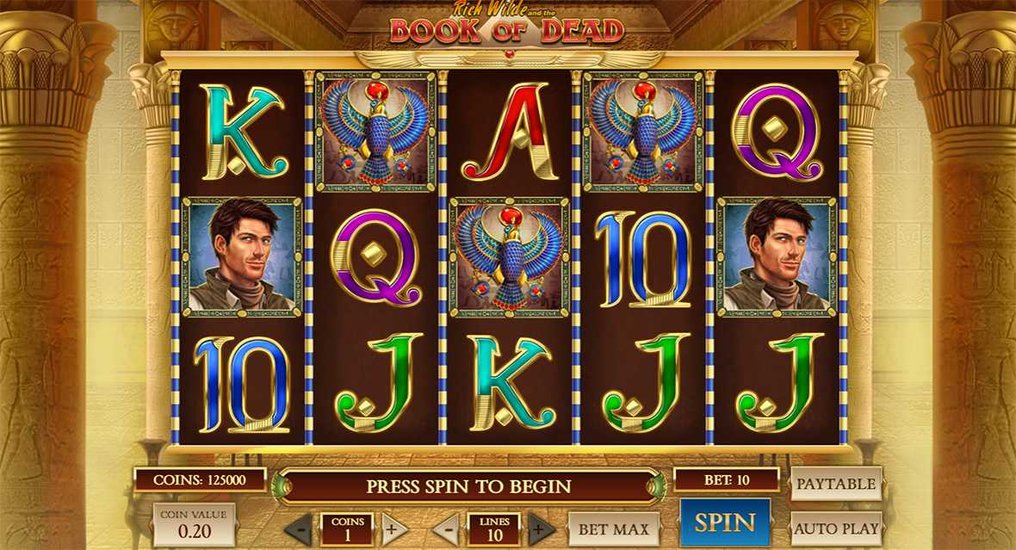
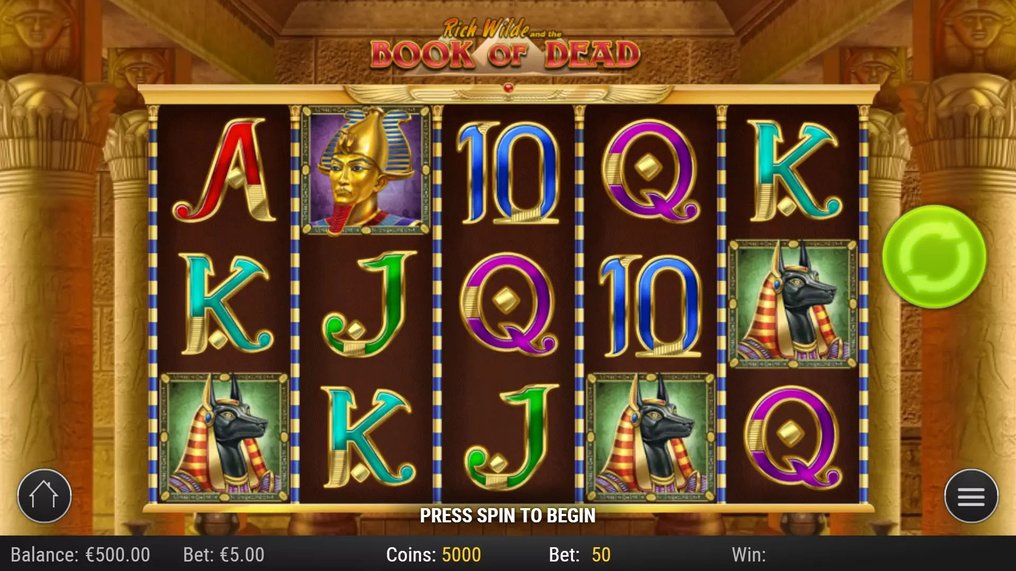
Test the game mode of Book of Dead, explore features and pace, and set limits so you start mindfully in Netherlands.

Book of Dead demo
Book of Dead play
Book of Dead

Book Of Dead Use Demo Slot Without Pressure

Sometimes you just want to feel if a slot suits you first, without immediate money and expectations attached. Imagine: you've just eaten, grab your phone, and you want to “just see” if the game feels calm or very busy. In such a moment, the practice mode is handy because you decide how long you look and when you stop.

Don't use this phase as an endless pastime, but as a brief exploration with a purpose. You test the rhythm, you check where the rules are, and you see how the interface reacts to your pace. Many players skip this and only later discover that they start clicking faster as soon as it gets exciting. It's better to notice that now, so that later (if you ever play with real money) you don't end up on autopilot.

In Netherlands, access to games depends on the platform and applicable rules, and that can influence how you open the game or which tools you see. What does remain the same: your own habits. That's why it's smart to immediately practice two things: stopping on time and playing with attention. Sounds simple, but that very difference determines whether you play relaxed or let yourself be drawn in.

Book of Dead

Book Of Dead Start Slot Demo On Mobile And PC

Starting itself is usually one click, but starting well is something else. Imagine lying in bed on mobile with your thumb half over the screen - you miss-tap faster, you correct, and suddenly everything feels rushed. On PC, the opposite can happen: you see more, click faster, and your pace shoots up without you realizing it.

Therefore, start with a small check of your environment. Set your screen to a comfortable brightness, choose whether you play with sound (soft can help to stay alert), and decide in advance whether you want fast animations or calm ones. Only then do you really start “looking”. The goal is not to do as many rounds as possible, but to understand how you react to the flow.

Many players make one mistake: they immediately turn on the highest speed “to test it faster”. As a result, you miss exactly what you want to learn, namely where your attention goes and when your impulse arises. It's better to keep it slow at the beginning, test short sequences, and take a mini-break after each sequence. This way, the game doesn't feel like a slide, but like something you control.

Book of Dead

What You Can Honestly Test In Practice Mode

A practice session is most useful if you know what you're paying attention to. Imagine: you might want to play for real later, but you don't yet know if you'll stay calm or keep thinking “just one more”. Then this is the moment to observe your own behavior, without immediate consequences.

Test in this order: first the interface (buttons and menus), then the pace (normal versus faster), and only then your habits (how often you want to adjust your bet, whether you grab for automatic spins, how quickly you get distracted). If necessary, set a timer on your phone. Not because you have to be strict, but because this helps you practice stopping, and stopping is a skill.

Also look at stimuli. Some players like a lot of animation, others notice that it makes them restless. In 2026, we will play more often in short blocks in between, and then it helps to know if this type of slot fits your moment: do you want something you can do calmly for five minutes, or something that immediately “turns you on”?

Understand Pace And Rhythm Without Speeding Up

You often notice within twenty rounds whether the rhythm suits you. Imagine catching yourself clicking fast when you actually wanted to relax - that's not a problem, that's information. Lower the speed, play a short sequence, and see if your calm returns.

Consciously try two styles: individual spins and a short automatic sequence. With individual spins, you constantly make a micro-decision, which keeps your mind alert. With automatic spinning, you enter a tunnel faster. If you notice that you forget your plan during automatic spinning, you immediately know which option you should limit later.

Also pay attention to your “end”. Many players only stop when the game releases them, not when they want to stop. So practice a stop moment that you choose yourself: after a short sequence, you conclude. If that already feels difficult, that's precisely the signal to use extra limits later.

Explore Buttons, Bet, And Basic Info Practically

Nobody likes to read rules, but everyone gets frustrated if they don't understand something. Imagine playing later and suddenly looking for where the explanation of symbols is, but you can't find it and you just keep spinning. You prevent that by consciously going through the info section once now.

Make it concrete: find where you adjust your bet, where you set any speed, and how to go back without stress. Also, see how clearly the game shows your bet and what just happened. If that information is unclear, you'll start playing more by feel. And “by feel” is precisely where impulse arises.

A good habit: don't constantly adjust your bet while playing. Practice one fixed base and change it at most once, purely to feel the effect. That keeps your session calm, and it makes your choices predictable later.

Quick Mobile Check For Misclicks And Overview

On mobile, things often go wrong due to small typos. Imagine you tap just next to the button and accidentally change something - you get startled, correct it, and your pace shoots up. Hold your phone straight, play with a relaxed grip, and see if you can see the most important info at a glance.

Also check if you can easily pause. If stopping on mobile is 'a hassle,' you'll stay longer than you want. So, choose a moment when you are sitting calmly, or switch to PC if you notice you're getting too irritable on a small screen.

Calm PC Check For Focus And Self-Control

On PC, the pitfall is speed. Imagine your mouse clicks before your brain catches up - it feels efficient, but you quickly fall into an automatic flow. Lower the pace at the beginning and keep your hand still for a moment after a series, so you choose consciously.

A simple trick is to start your session with one goal: "Today I'm only testing pace and pause." This prevents you from simultaneously chasing excitement and trying to learn. And that's exactly what makes a practice round useful.

Book of Dead play
Book of Dead

Session Management And Limits For Responsible Play

If you play with real money later, you rarely win by doing "something smart." You win primarily by maintaining control. Imagine you plan to play for ten minutes, but after half an hour, you're still clicking because you haven't built in a stopping point anywhere. Then you don't have a strategy problem, but a session problem.

Therefore, always start with limits you choose beforehand: time, budget, and pause moments. In Netherlands, platforms generally operate within applicable rules and and age restrictions, but you remain responsible for your own routine. Only play if you are 18+, and use tools like time-outs or self-exclusion if you notice that stopping becomes difficult. That sounds serious, but in practice, it's just a button that gives you peace of mind.

Here the practice mode helps again: you're not just practicing "how the game works," you're practicing "how to manage myself." Set a timer, decide you'll stop after a short series, and stick to it. If you succeed without resistance, you're good. If not, that's an honest signal to stick to short sessions or take more frequent breaks.

Component For Session Control

What You Set

Why It Works

Practical Habit

Session Duration

Timer or fixed end time

Prevents playing on impulse

Stop after one short series

Pace

Normal instead of turbo

More conscious choices per round

Only speed up after a break

Autoplay

Only short blocks

Less tunnel vision

Pause after each block

Bet Routine

One base bet

Fewer impulsive jumps

Change a maximum of once

Notifications/Sound

Soft or off, consciously chosen

Fewer stimuli, more focus

Choose one setting per session

Time-out option

Temporary break

Breaks habit pattern

Use when restless

Time-Out And Self-Exclusion Without Drama

Many people think that a time-out is "only for when things go wrong." Imagine you have a busy week and you notice you're playing to switch off your mind, not because you enjoy it. Then pausing is actually smart, because it brings you back to choice instead of habit.

Approach it practically: choose a short time-out if you notice you're becoming restless, and extend it if, after that break, you still feel the urge to go straight back. Self-exclusion is a heavier option, but sometimes exactly what helps if you repeatedly break your own rules. The goal is not punishment; the goal is peace.

Important: try not to "negotiate" with yourself during a peak moment. If your heart rate is up and you think you need to keep going, that's precisely the time to slow down. A pause is then the mature choice.

Budget And Bet: Keeping It Small Is Smarter

A budget doesn't have to be large to be useful. Imagine you say: I'll see how it goes - then there's a good chance you'll go further than you intended. It's better to choose an amount beforehand that you are truly okay with losing, and treat it as the price of entertainment, not as an investment.

Keep your bet stable. If you notice you always want to increase it after a nice hit, make a rule: "Only adjust after a break." This removes emotion from the moment. And if you notice you often want to increase it anyway, that's a sign that you might be looking for excitement instead of relaxation.

In practice, it works like this: start small, short session, stop while it still feels good. That's not boring, that's control.

Using Support For Questions And Friction

Support is not just for malfunctions. Imagine you can't find a setting or you don't understand why a button works differently than you expected - you often "just keep going" until you understand it. And that "just keep going" quickly becomes longer than planned.

Ask for help if something is unclear, precisely to keep your session short. And if you notice that playing causes stress instead of relaxation, talk about it or distance yourself. Sometimes the best support is simply allowing yourself to stop.

Book of Dead

Top casinos for playing Book of Dead - current list

ALF Casino

ALF Casino

Mafia Casino

Mafia Casino

SG Casino

SG Casino

Retro Bet

Retro Bet

leovegas

LeoVegas

Book of Dead

From Practice To Real Play Without Impulse

The transition from practicing to playing with real money changes your mindset. Imagine you were calm in practice mode, but as soon as money is involved, you suddenly start clicking faster and checking more often "what's happening now." That's normal, and precisely why you need to make that transition small and controlled.

Start with one short session and one clear agreement with yourself. No complicated plan, just: low stakes, calm pace, no long automatic sequences. The goal is not to prove anything, but to check if you can maintain the same calm routine as during practice.

Also, make your stopping point visible. For example: after a short sequence, you truly close the game. Not "just another tab," but done. That sounds strict, but it prevents you from ending up in an endless loop.

A Simple Session Script That Works

A session script only needs to be one sentence. Imagine: "Ten minutes, fixed stake, pause after each sequence, then stop." That's clear, and clarity is the opposite of impulse.

Choose one focus per session. Today, for example, you only test pace and pause. Another day, you look at your betting routine. By choosing, you avoid chaos. And if you notice that you forget your own script while playing, that's immediate feedback: play shorter, take more breaks, or stick to practice.

If necessary, write it down in your notes. Not because you don't know it, but because in the moment, you deviate faster than you think.

Variation In Pace And Stakes Without Overdoing It

Variation is tempting. Imagine you just had an exciting round and you think: now I need to be faster, now I need to go higher. That's precisely when you should slow down, because your brain then goes into "now or never" mode.

If you want to vary, do it controlled: one change, a short test, back to your base. This way, you learn the effect without your session derailing. And most importantly: never make big changes in the middle of an emotional peak. Wait, exhale, choose again.

You don't have to be a discipline robot. You just need a few rules that protect you when your enthusiasm runs too high.

Responsible Gaming In Netherlands In 2026

Responsible gaming is not text at the bottom of a page, it's behavior you practice. Imagine you notice you play more often when you're stressed - then "I'll be careful" is usually not enough. Then you need tools: time limits, budget limits, and the willingness to take a time-out.

In Netherlands, you play within the applicable rules, and participation is only intended for adults (18+). Take that seriously and make it practical: don't play if you're tired, angry, or rushed, and stop if you find yourself having to convince yourself to continue. That sentence is an alarm signal.

And if you notice you're losing control, choose a break and help. Not later, but the moment you notice it. That's how you keep it smart and human in 2026.

Common Mistakes During The First Real Sessions

The biggest mistake is not "knowing too little," but going too fast. Imagine you start with the idea that you already know the game because you've practiced a lot. Then you increase the pace, you click faster, and your session becomes a blur. That's not bad luck, that's too big a step.

Another mistake is the lack of an end. People often start with a plan, but without a real stopping action. Therefore, make your end active: close, put your phone away, stand up. If you find that awkward, that's exactly why you should practice it.

And finally: constantly tweaking your stakes. That feels like you're "doing something," but usually, it's just emotion in action. Keep it simple, and you'll keep it calm.
image

Practical Checklists For A Calm Routine

You don't have to remember everything, you just have to set it up properly. Imagine you have a busy day and you want to play for a short time without hassle - then a fixed routine is golden. You start, you test, you stop. Done.

Work with two checklists: one for start and one for stop. Start: normal pace, fixed stake, timer on. Stop: after a short sequence, close, move around a bit, only then decide if you're going to do anything else. If you repeat that a few times, it will become easier automatically.

This approach might sound "too neat" for a game, but it provides exactly what many players are looking for: relaxation without regret. And that's ultimately the whole point.

The Start Check In Three Steps

Imagine you want to click immediately because you feel like it, but you know you'll overshoot faster then. Stop for one second and take three steps: choose your session duration, choose your pace, choose your base stake. Only then do you start.

Those three steps take less than a minute. Yet, they change your entire session because you start with a decision instead of an impulse. And if you notice yourself skipping those steps, that's immediate information: you're not in the right mindset to play.

FAQ

How do I use practice mode without getting stuck for too long?

Set a timer before you start and treat it as a real appointment with yourself, not a suggestion. Play short sequences, pause briefly, and then consciously decide whether to continue or stop; if you notice yourself constantly thinking 'just one more', that's precisely the moment to quit. Make your ending active: close the game, put your phone away, or stand up, so you don't slide back into automatic clicking.

Which settings provide the most calm while playing?

Start with a normal pace, a fixed bet, and short sessions with clear breaks. Imagine you speed up as soon as it feels exciting – then it helps to limit automatic spins and force yourself to make a choice after each block. You can leave the sound on softly if it keeps your attention on your plan, but turn it off if you notice it stimulates you; it's about what makes you calm.

What do I do if I notice I'm playing out of stress instead of for pleasure?

Immediately distance yourself and choose a time-out, even if it's short. Imagine you continue 'to clear your head' – often it just gets busier in your head, and you start pushing your own limits. Pause, do something physical (drink water, take a short walk) and only then see if you still want to play; if this pattern recurs, use stricter limits or longer breaks and seek support from someone you trust.

Is it wise to play at high speed immediately?

Usually not, because speed puts you into a tunnel faster and makes you choose less consciously. Imagine your hand already clicking before your brain catches up – then you're no longer 'playing', but reacting. Start slowly, test short sequences, and only increase tempo if you notice your control remains stable; if you become impulsive at higher speeds, go back to normal or stop.

How do I keep my bet under control without constantly wanting to adjust it?

Choose one basic bet for the entire session and make one rule: changes are only allowed after a break, never in the middle of an emotional peak. Imagine that after a good round you immediately want to increase your bet - then wait, breathe out, and ask yourself if it still fits your plan. This delay takes emotion out of the decision and prevents your session from suddenly becoming much more expensive than you intended.

Which signs indicate that I should stop?

Accelerating without reason, feeling that stopping is 'a waste', and repeating 'just one more round' are the classics. Imagine that you notice your shoulders are tense and you're clicking faster than at the beginning – that's your body already indicating that you're losing balance. Then stop, take a break, and if you're still agitated afterward, end your session; stopping on time is precisely what makes responsible playing practical.

How do I play responsibly in Netherlands without overthinking everything?

Keep it simple: only play if you are 18+, choose short sessions, set a budget you can afford to lose, and use breaks or time-outs as soon as you notice your control diminishing. Imagine you're not sure exactly what tools a platform offers - your own routine remains your best protection: timer on, fixed bet, normal pace, and an active stop moment. If you notice yourself repeatedly breaking your own rules, take longer breaks or opt for stricter limits.

Play Now
🇬🇧 English