






Book of Dead

Book Of Dead Casino Game In Netherlands

Play Book of Dead responsibly in Netherlands: learn to manage demo, stake, limits, and payout so your session remains clear.

Book of Dead demo
Book of Dead play
Book of Dead

How Book Of Dead Free Slot Game In Netherlands Works

Imagine this: you open the lobby, see the familiar sarcophagus, and immediately want to click because you want to do a few spins 'just quickly'. Many players do that without first checking which mode is active and where the balance comes from. Take ten extra seconds, then you play by plan, not by feel.

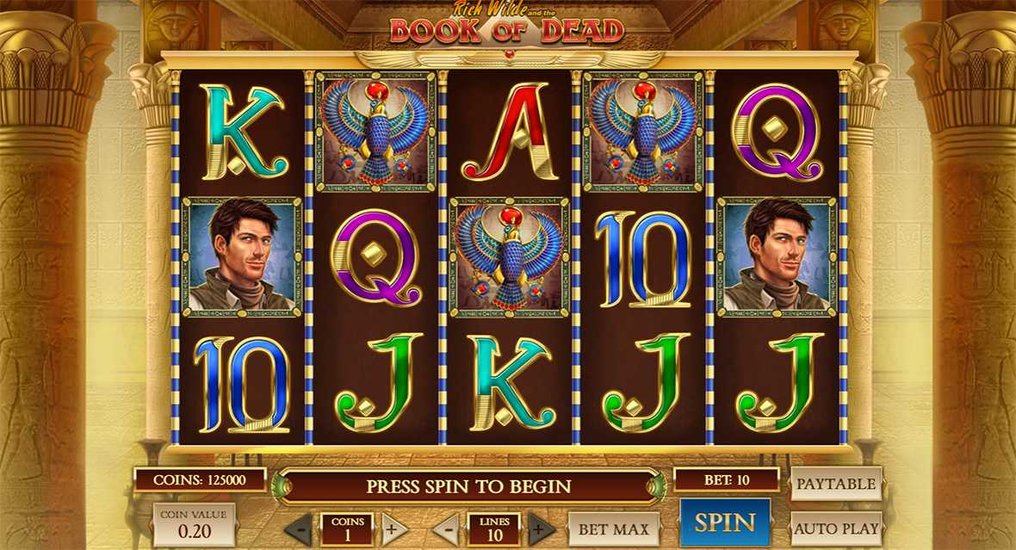
Book of Dead is a slot that is still popular in 2026 because it starts simply but offers enough variation to keep your attention. You choose your stake, determine your pace, and you can often start in a practice mode to get to know the symbols and functions. In Netherlands, it is important to play within the applicable rules and age limits - this type of entertainment is intended for adults (18+) and works best when you define your session in advance.

What many people call “free” is usually a demo mode with play money. That is useful for understanding the game flow without pressure, especially if you are not yet sure which stake level suits you. In a real session with real balance, it helps to determine in advance: how many rounds do you want to play, what is your maximum loss for today, and what do you do if you win (continue or stop)?

Book of Dead

What Makes Book Of The Dead Casino Game So Popular

If you ever finally have time to relax after two busy days, you'll recognize this: you're looking for a game that isn't too complicated, but also not boring. That's why players often choose a title with clear rules and recognizable moments when “something can happen”. It's not the promise of winning that counts, but the feeling that you understand what you're doing.

The appeal often lies in three things: a clear basic progression, a theme you immediately understand, and a bonus moment that makes the session just a bit more exciting. However, it's smart to temper that excitement. If you only play to “get that feature one more time”, you'll run through your budget faster. That's why a simple routine works: first demo mode or low stake, then scale up only when you notice you remain calm.

Also consider your environment. Playing on mobile with notifications on is a pitfall: your attention is scattered, and you click faster than you decide. Turn off notifications, choose a fixed spot, and use a session timer. The less distraction, the better you respect your own limits.

Book of Dead

Book Of Dead Slot Game: Demo, Stake And Pace

Imagine you start with a stake that “seems okay,” but after five minutes, it feels too high. That happens more often than you think, because the pace of spins blurs your sense of money per round. By consciously choosing pace and stake, you maintain control and keep it fun.

A good start is: first determining what you find comfortable per round, then choosing whether you want to play faster. It helps to break your session into blocks. For example: 10 minutes of play, 2 minutes break, check how you feel, then continue. This way you prevent “automatically” clicking through.

How To Use A Practice Mode Without It Feeling Aimless

Imagine you open demo mode and after twenty spins think: okay, I've seen enough. Then you're missing the point. Use practice as if you're doing a mini-test: see how often you encounter a certain situation, how quickly your balance fluctuates, and which stake still allows you to breathe calmly.

Make one small agreement with yourself: you don't change your stake every five spins while practicing. Choose one level, play a short block, and mentally note what it does to your pace. Only then do you change something. This way you get to know the game behavior without it feeling random.

Choosing Stake Based On Session Goal, Not On Emotion

If you've just hit nothing twice, the temptation is strong to increase the stake “to get it back”. Imagine you do that and notice your heart rate goes up - that's a signal. Staking belongs to your plan, not your mood.

A practical approach: choose a base stake and a maximum stake in advance that you only use if you are well within budget and remain calm. And if you want to increase it, first take a one-minute break. Sounds simple, but that minute breaks the impulse.

Pace, Autoplay And Why Slower Is Often Smarter

Imagine you turn on autoplay, look away for a moment, and suddenly a large part of your balance is gone without you truly “experiencing it”. Autoplay can be useful, but only with clear limits: maximum number of spins, fixed stake, and a pause moment. Playing slower helps you prevent mistakes, especially when conditions or limits are active in your account.

Choose your pace as if you are having a conversation: you want to be able to think between clicks. If you notice you're clicking faster than you think, reduce your speed or turn off autoplay. The best sessions are those where you play consciously, not those where you “accidentally” continue for a long time.

Which Settings To Check First Before You Start

If you're in a hurry, you skip settings and think: it'll be fine. Imagine you then discover that you're accidentally on a higher stake level than intended. That's why you always check three things before you start: stake per spin, speed, and any limits or warnings in your account.

Make it a ritual: one glance at the stake button, one glance at your balance, one glance at your session timer. Only then do you begin. That takes five seconds and saves you a lot of irritation.

Book of Dead play
Book of Dead

Depositing and Withdrawing In Netherlands Without Hassle

Imagine: you win an amount you're happy with and you want to withdraw it, but you notice that your payment method doesn't match your previous deposit. That's one of those moments when players get frustrated. It can usually be avoided by staying consistent beforehand and properly completing your account.

Choose one payment method that you also want to use for withdrawals, and stick to it. Check if your details are correct and if your identity has been confirmed before moving large amounts. In Netherlands, you often see clear steps in the account menu: profile, payment settings, limits, and a place where you track the status of transactions. Use that as a cockpit, not as an emergency brake.

Topic

Practical choice

What You Prevent With This

Payment Method

Choose one fixed method

Less confusion during withdrawal

Deposit Amount

Session budget only

Impulse deposits during loss

Verification

Complete beforehand

Stress at the moment of withdrawal

Transaction Check

Status after each step

Unnecessary retries

Limits

Deposit, time, loss

Sessions that 'run over'

Pause button

Timeout when restless

Playing out of emotion

A Deposit Routine That Doesn't Let You Overdo It

If you see a notification about an action, you sometimes want to deposit immediately to 'join in'. Imagine doing that and only then realizing that you actually don't have time for a full session. A better routine: first decide how much time you have, then choose your budget, and only then deposit.

Work with a simple sequence: set limits, choose amount, confirm, a ten-second pause, then play. That pause is small, but it ensures your decision isn't purely driven by adrenaline.

Withdraw Without Surprises: Check This Beforehand

Imagine clicking 'withdraw' and seeing that something is still pending in your account, such as a profile step or a check. Then it feels like your winnings are 'stuck'. By checking beforehand what you still need to complete, you keep the flow smooth.

Before you play, check if your profile is complete, your payment method is consistent, and your notifications are on so you see updates. If something is unclear, ask support one clear question instead of guessing. That saves back-and-forth.

What To Do If A Transaction Takes Longer Than Expected

Everyone knows it: you expect something to be instant and it takes longer. Imagine repeatedly trying again because of that – that often makes it messy. Stay calm, first check the status in your account, and wait for a clear update before starting anything new.

Note down what you've already done (step, time, amount) so you don't create duplicate work. If you contact support, it helps to put that information in one message. Then you'll get a targeted answer faster.

Book of Dead

Top casinos for playing Book of Dead - current list

ALF Casino

ALF Casino

Mafia Casino

Mafia Casino

SG Casino

SG Casino

Retro Bet

Retro Bet

leovegas

LeoVegas

Book of Dead

Responsible Gaming and Control in 2026

Imagine you wanted to do 'just one session,' but suddenly an hour has passed. That doesn't happen because you're unintelligent, but because repetition affects your sense of time. In 2026, responsible gaming is primarily about using systems that make your own limits visible.

See limits not as restrictions, but as comfort. A deposit cap prevents you from adding extra money on impulse. A session timer prevents you from continuing to play when you are actually already tired. And a loss limit helps you stop without debating with yourself.

Setting Limits Before You Start Playing

Many players only set limits after things have already gotten exciting. Imagine you've just had a losing streak and then suddenly have to be 'strict' – that's difficult. So, set limits before the first spin.

Choose three limits: time, deposit, and loss. Keep them realistic, not heroic. The goal is that you stick to them without it feeling like a punishment. If you notice you immediately want to increase them, take a timeout first.

Using Timeout and Self-Exclusion Without Shame

Sometimes you notice that you come back too often, even if you didn't plan to. Imagine logging in 'out of habit' and not because you feel like it. Then a break setting is a smart tool, not a drama.

Choose a timeout if you primarily want rest. Choose self-exclusion if you notice your behavior is affecting your daily life. If necessary, talk to someone you trust about it. Taking back control is mature, not weak.

How to Handle Winning Moments Calmly

A nice hit can make you feel like you're 'in form.' Imagine that this causes you to increase your stake and your session suddenly becomes restless. Winning is precisely the moment to slow down.

Make a winning rule: after a clear win, you pause, you breathe, you decide again. Some players set aside a portion as withdrawable balance and only continue playing with the remainder. That can help structure your session.

What To Do In Case of Loss Without 'Chasing'

Loss feels personal, even though it's random. Imagine thinking: I need to win this back now. That's exactly when you lose control. That's why a loss rule works: at X amount, you stop, period.

If you still want to play, don't change your bet and don't extend your time. You close the game, do something else, and come back later when your head is clear again. That's not a failure, that's strategy.
image

Quickly Resolving Support and Problems in the Netherlands

Imagine you have a question about your account and you write a long, emotional message. Support then first has to figure out what you mean. Short, concrete questions work faster and cause less frustration.

Good support communication is simple: describe what you wanted to do, what happened, and what step you've already tried. Add amounts and times if relevant, but stick to the facts. And if you notice you're getting angry, wait five minutes before sending. Calm words lead to faster solutions.

A Checklist for Common Gaming and Account Issues

If something isn't working, the reflex is to try everything again. Imagine that this actually creates more chaos. Instead, use a checklist: are you logged into the correct account, is your balance correct, is your limit not locked, and are there any notifications in your account?

For game problems, it often helps to pause your session and restart without haste. For account questions, it helps to clearly name one screenshot-like detail in text (e.g., error message or step name) without building ten stories around it. This keeps the process streamlined.

FAQ

What is the difference between practicing and playing with real balance?

Practicing usually uses play money and is intended to learn pace, stakes, and features without financial risk; playing with real money requires extra discipline because emotions get involved more quickly. Set a session goal beforehand, activate limits, and treat breaks as part of the game plan, then it remains clear.

How do I set a session timer so I stop on time?

First, choose how many minutes you want to play today and set the timer before you start, not halfway through. Imagine that after 30 minutes you notice you're clicking faster – then it's too late to 'just' set a timer. With a timer, you get a clear stop moment, and you can train yourself to truly pause at the notification and re-decide instead of automatically continuing.

Why is withdrawal sometimes not possible immediately after a good session?

That often happens because an account step is still open, your payment method is inconsistent, or you still need to complete a verification. Imagine only discovering after a win that your profile is incomplete – that feels unnecessary. By checking your details beforehand, using one method, and following notifications, you reduce the chance of surprises and your winnings remain mentally 'yours' too.

How do I prevent myself from increasing my stake out of frustration?

Make a fixed rule: your stake only changes after a break and only if you are still well within budget. Imagine you've just missed twice and your hand is already going for the button – then consciously stop, breathe, and look at your limits. If you still want to increase it after that, first slow down your pace; often, the impulse disappears as soon as you play slower.

What should I do if I notice I'm coming back to play too often?

Set stricter limits, plan fixed break days, and use a timeout as a first step. Many players wait until it 'really' feels like a problem, but earlier intervention works better: imagine automatically opening it every evening without enjoyment, then a break is logical. If necessary, talk to someone you trust, so you don't have to fight your pattern alone.

Is mobile gaming a good idea if I'm easily distracted?

If you're easily distracted, keep mobile gaming short and strict: notifications off, one fixed location, and a clear timer. Imagine you receive messages in between and click through without thinking – then your boundaries shift unnoticed. Short sessions with breaks work better than long ones, because your focus deteriorates less quickly.

What signals tell me that I should stop immediately?

If you get angry, start clicking faster, want to increase your limits, or primarily think about 'winning back,' that is a clear stopping point. Imagine your body becoming restless and you still continue – then you are no longer playing consciously. Stop, distance yourself, and only come back when you can choose calmly again; that is the core of responsible gaming.

Play Now
🇬🇧 English